
Key Takeaways
- Snow blindness is a cornea burn caused by UV rays reflecting off snow, water, sand, or ice.
- Symptoms like pain, redness, and blurry vision often don’t appear until 6 to 12 hours after exposure.
- UV400-rated sunglasses or goggles with wraparound frames offer reliable protection.
- Most cases improve within 24 to 48 hours with rest and a cool compress.
- If your symptoms persist or get worse, it’s a good idea to book a visit with your eye doctor.
You spend a morning on the slopes or a bright afternoon near the water, and your eyes feel completely fine. Then, hours later, they’re red, burning, and sensitive to light. You may be experiencing snow blindness, and it catches a lot of people off guard.
Snow blindness is a UV burn to the surface of the cornea, caused by intense reflected light from snow, water, or sand. It can be painful, but it is preventable, and knowing what to look for can help protect your vision before a fun day turns uncomfortable.
Snow Blindness and What Causes It
The UV Connection
Your cornea, the clear front surface of your eye, is sensitive to UV radiation. When UV rays reflect off snow at up to 80% intensity, your eyes absorb a heavy dose of that light, even if you never looked directly at the sun. Overcast days don’t offer much protection either. Clouds filter some UV, but not enough to make exposure harmless.
Common Sources Beyond Snow
Snow isn’t the only surface that bounces UV light back at your eyes. Water, sand, and ice all reflect UV rays in a similar way. At higher altitudes, UV exposure is stronger because there’s less atmosphere filtering it. Welding arcs and tanning beds can produce the same type of cornea burn, which is why eye protection matters in those settings too.
Symptoms of Snow Blindness
Snow blindness has a distinct set of symptoms. Knowing them helps you act quickly when they appear.
- Pain or a gritty, sandy feeling in the eyes.
- Redness, tearing, and sensitivity to light.
- Blurry vision or temporary changes in how clearly you see.
Why Symptoms Feel Delayed
One reason snow blindness catches people off guard is the delay. Symptoms typically show up 6 to 12 hours after exposure, and pain usually peaks somewhere between 12 and 24 hours in. Because your eyes feel fine while you’re outside, it’s easy to stay out longer than you should and not realize the damage until later that evening.
Who Is at Risk
Outdoor Activities That Raise Your Risk
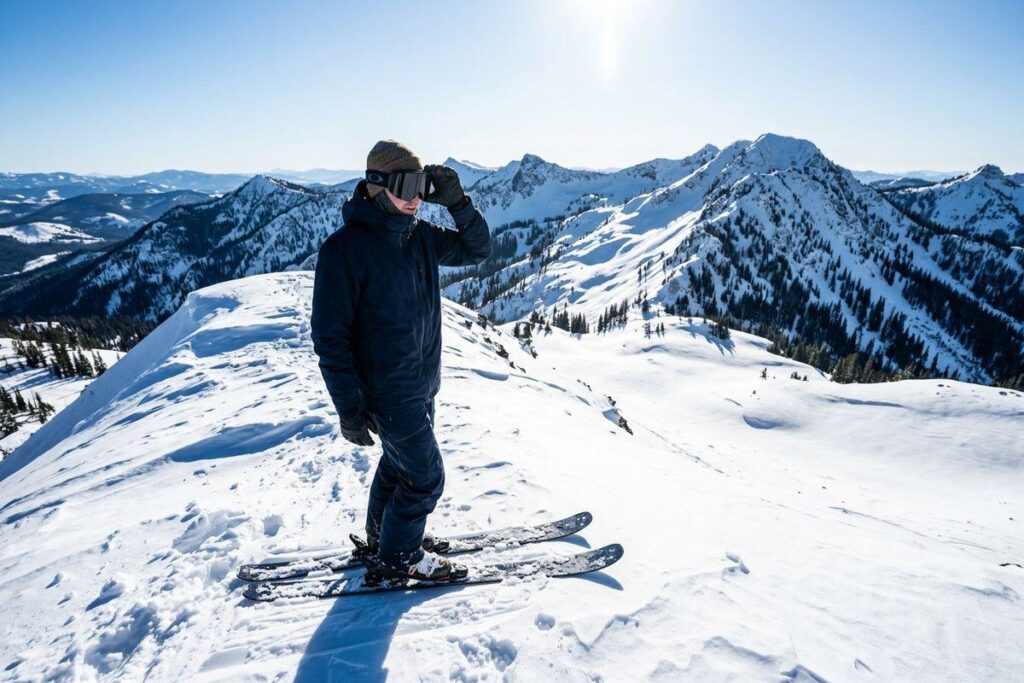
If you spend time outdoors in high-UV environments, your risk goes up. Skiing, snowboarding, and mountain climbing involve strong sun and highly reflective terrain. Boating, fishing, and beach activities expose your eyes to reflected UV off water and sand. Even spring days with patches of snow on the ground can create enough reflection to cause irritation, especially when the sun angle changes.
Other Risk Factors to Know
Some medications increase light sensitivity, which can raise your risk even in conditions that wouldn’t normally be a problem. Children tend to spend more time outdoors and may not wear eye protection consistently. If you deal with chronic dry eye, exposure to UV and glare can worsen irritation and may slow how quickly your eyes recover.
How to Prevent Snow Blindness
Choosing the Right Eye Protection
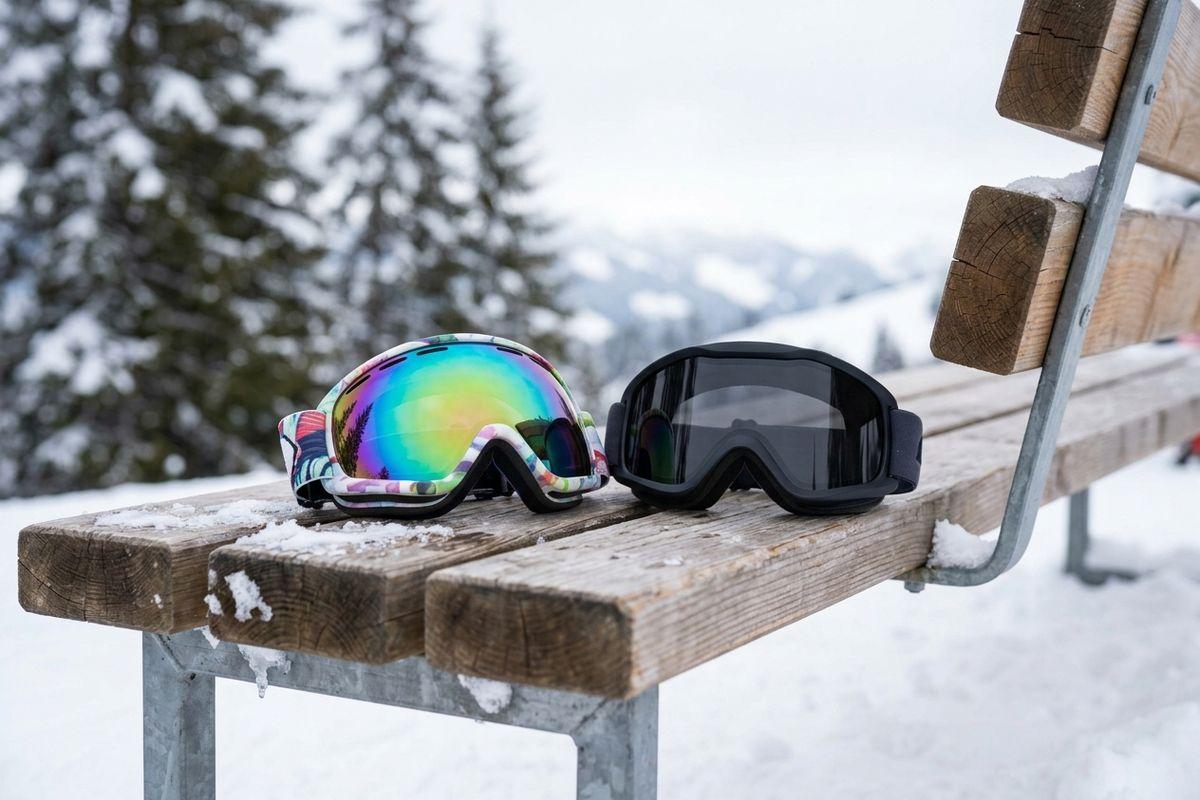
The label matters when you’re picking sunglasses or goggles. Look for a UV400 rating, which means the lenses block UV rays across the full spectrum. Wraparound frames help because they cover the sides where UV can sneak in. For snow sports and mountain environments, glacier glasses or ski goggles with a category 3 or 4 tint give your eyes the coverage they need.
Smart Habits for High-UV Environments
Gear alone isn’t the whole picture. Limiting your time outside between 10 a.m. and 4 p.m. reduces peak UV exposure. Taking shade breaks when you’re near snow or water gives your eyes a chance to recover. Pairing your sunglasses or goggles with a brimmed hat adds another layer of protection from overhead light.
Treatment and Recovery
First Steps When Symptoms Start
If your eyes start burning or feeling gritty after a day outside, move to a dim room right away. Take out your contact lenses immediately, since they can hold irritants against your eye. Placing a cool, clean compress over your closed eyes can help ease discomfort while your cornea heals.
What to Expect During Recovery
Most cases of snow blindness improve within 24 to 48 hours, with full recovery typically taking 2 to 3 days. If your symptoms persist or get worse, it’s a good idea to book a visit with your eye doctor.
We Can Help
The Eye Care Team serves patients looking for an eye doctor in Spokane and Chewelah, and our team can assess your eyes and recommend the right next steps for your recovery.