Emergency Eye Care Services in Spokane & Chewelah

Book Appointment

Eye Doctors Always at the Ready

If you or someone with you has experienced an eye emergency or vision trauma, seek immediate medical attention. Even a minor injury can have severe consequences, and we will prioritize patients with emergency appointments. Calling ahead will better prepare our team for your situation.

If you have an ocular emergency, call The Eye Care Team immediately.

If the emergency occurs outside of our office hours, please visit your nearest emergency room.

Contact Us Now

Eye Emergency Warning Signs

You should seek immediate assistance if you experience:

Common Eye Emergencies

Some eye injuries happen more frequently than others. The Eye Care Team is dedicated to keeping you and your eyes healthy. Follow these guidelines if an emergency occurs and contact our office once the situation has been stabilized.

Our eyes are incredibly sensitive. Foreign substances can cause irritation and even permanent damage. Should you get any chemicals in your eyes, flush your eyes immediately for 15 minutes, using the nearest source of cool, clean water.

You must continue to flush for 15 minutes to ensure all residual traces of the chemical have been washed away. Any chemical traces that remain can cause damage later.

Your cornea is the front surface of your eye – the clear dome that covers your iris and pupil. Like other areas of your eye, it is incredibly delicate and can be easily damaged. A scratch can make your eye vulnerable to infection.

If you experience a corneal abrasion, do not rub your eye. This may make the situation worse by moving the debris around and causing more damage. Instead, gently rinse your eye with clean, cool water to flush away any debris and seek professional medical attention immediately.

If there is an object embedded in your eye, do not rub your eye or attempt to remove the object as this may cause further damage. Instead, proceed to the nearest hospital immediately.

If a loose object is trapped between the eyelid and eye or resting on the eye’s surface, avoid rubbing it. Instead, you can attempt to dislodge the object by flushing your eye with clean, cool water. Once you dislodge the object, seek medical attention

Do not try to remove the object using your fingers or a pair of tweezers, as this may cause further damage. If you cannot remove the object by flushing your eye, seek medical attention immediately.

Red eyes can be caused by environmental factors or appear as an unfortunate side effect of a pre-existing eye condition. These can range from something as simple as dust or smoke to more complex afflictions like corneal ulcers.

While there are different causes for red or bloodshot eyes, a sudden, intense redness, swelling, or pain requires attention. Begin by flushing your eyes with clean, cool water. If redness and pain persist, seek medical attention immediately.

Occasional eye floaters are not usually cause for alarm. But if you experience an explosion of specks drifting across your field of vision, especially if sudden flashes of light accompany them, you should contact a medical professional as soon as possible.

These symptoms could indicate vitreous detachment, a condition that could lead to retinal detachment. If you are unsure whether your eye floaters are a warning sign, please contact us for an emergency eye care assessment.
Contact Us Now

Our Locations

Spokane

Our practice is located in Downtown Spokane, right across the street from the new Davenport Grand Hotel and Auntie’s Bookstore. We are just a couple of blocks east of Riverfront Park Square.

Contact Information

Address

126 N. Washington Street
Spokane, WA 99201

Hours

Monday
8 AM5:30 PM
Tuesday
8 AM5:30 PM
Wednesday
9 AM6:30 PM
Thursday
8 AM5:30 PM
Friday
8 AM5:30 PM
Saturday
Closed
Sunday
Closed

Chewelah

You can access our practice off N Park St, just north of E Webster Ave. We are located across from Safeway and have lots of parking available right in front of our office.

Contact Information

Address

306 N Park St.
Chewelah, WA 99109

Hours

Monday
Closed
Tuesday
9 AM – 5 PM
Wednesday
9 AM – 5 PM
Thursday
9 AM – 5 PM
Friday
9 AM – 12 PM
Saturday
Closed
Sunday
Closed

You can access our practice off N Park St, just north of E Webster Ave. We are located across from Safeway and have lots of parking available right in front of our office.

Contact Information

Address

306 N Park St.
Chewelah, WA 99109

Hours

Monday
Closed
Tuesday
9 AM – 5 PM
Wednesday
9 AM – 5 PM
Thursday
9 AM – 5 PM
Friday
9 AM – 12 PM
Saturday
Closed
Sunday
Closed

Our practice is located in Downtown Spokane, right across the street from the new Davenport Grand Hotel and Auntie’s Bookstore. We are just a couple of blocks east of Riverfront Park Square.

Contact Information

Address

126 N. Washington Street
Spokane, WA 99201

Hours

Monday
8 AM5:30 PM
Tuesday
8 AM5:30 PM
Wednesday
9 AM6:30 PM
Thursday
8 AM5:30 PM
Friday
8 AM5:30 PM
Saturday
Closed
Sunday
Closed

Our Services

Astigmatism Driving at Night: Why Lights Look Blurry

Astigmatism

If you have astigmatism, night driving is often harder because your cornea scatters light in ways that make glare and blur much worse after dark. […]

Read More…

August 21, 2026
Dr. Daniel Evans

Myopia vs. Hyperopia: What’s the Difference?

Myopia

The short answer: myopia makes distant things blurry while close things typically stay clear, and hyperopia does the opposite by making near things blurry while distant things typically stay clear. […]

Read More…

August 21, 2026
Dr. Daniel Evans

What Are Photochromic Sunglasses?

Sunglasses

Photochromic sunglasses, also called transition lenses, are eyeglasses that darken in sunlight and clear back up indoors, all in the same pair. […]

Read More…

July 30, 2026
Dr. Daniel Evans
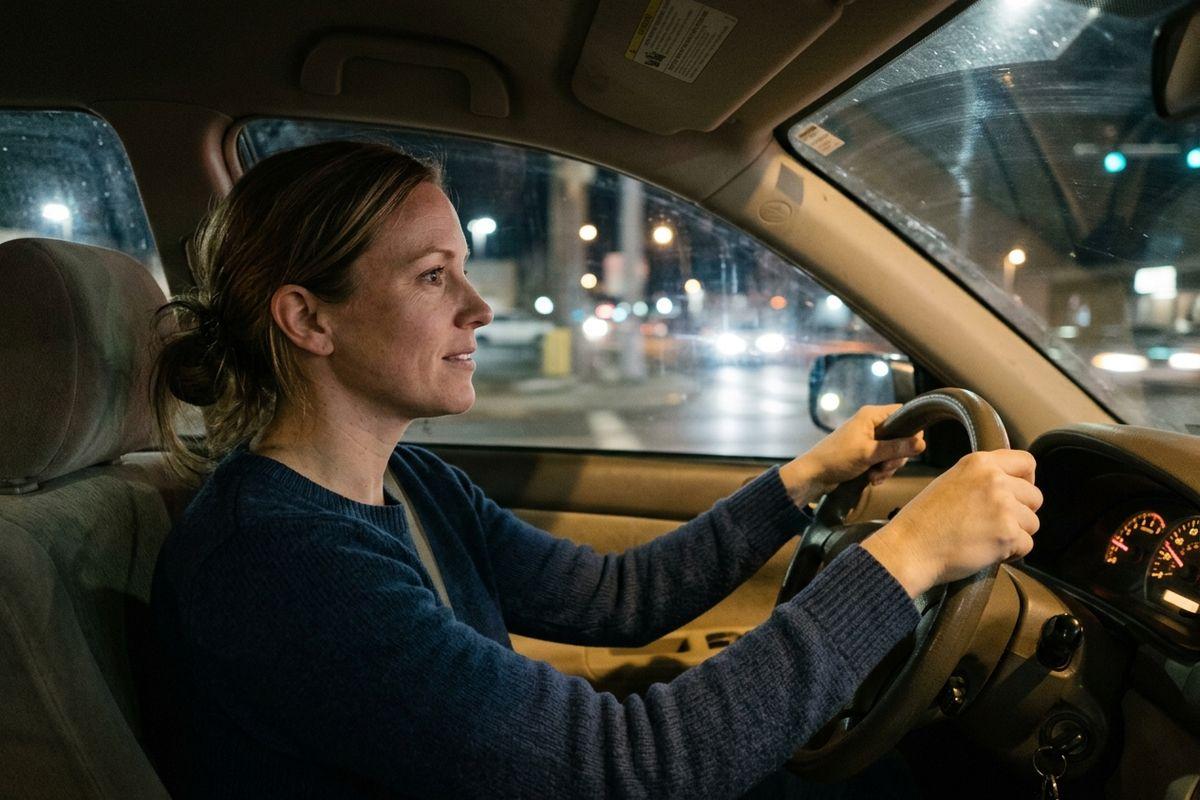
Adult driving a car at night through an urban street, hands on the steering wheel, looking ahead with a slight smile.

If you have astigmatism, night driving is often harder because your cornea scatters light in ways that make glare and blur much worse after dark. […]

Read More…

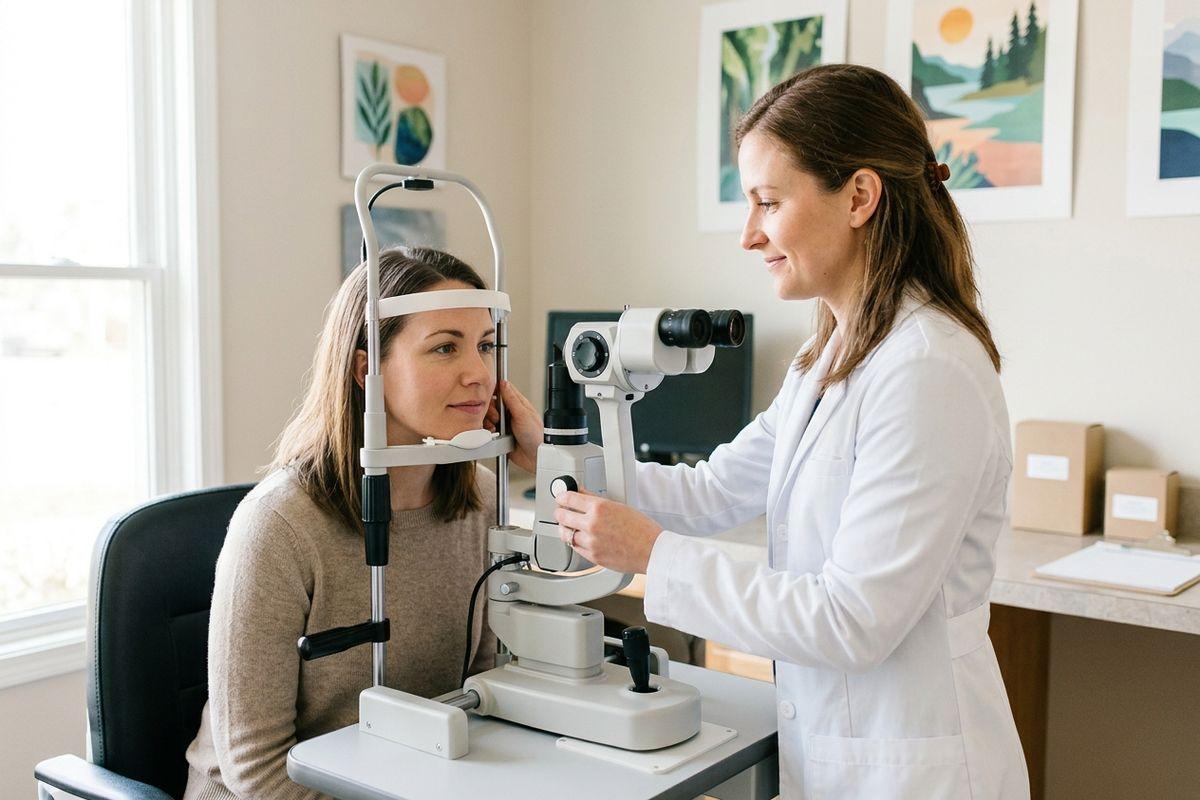
An Ootometrist adjusts a phoropter during an eye exam as a patient looks through it in a bright exam room.

The short answer: myopia makes distant things blurry while close things typically stay clear, and hyperopia does the opposite by making near things blurry while distant things typically stay clear. […]

Read More…

Adult wearing sunglasses leaning against a brick building on a sunny residential sidewalk, looking upward with a relaxed expression.

Photochromic sunglasses, also called transition lenses, are eyeglasses that darken in sunlight and clear back up indoors, all in the same pair. […]

Read More…

instagram facebook facebook2 pinterest twitter google-plus google linkedin2 yelp youtube phone location calendar share2 link star-full star star-half chevron-right chevron-left chevron-down chevron-up envelope fax