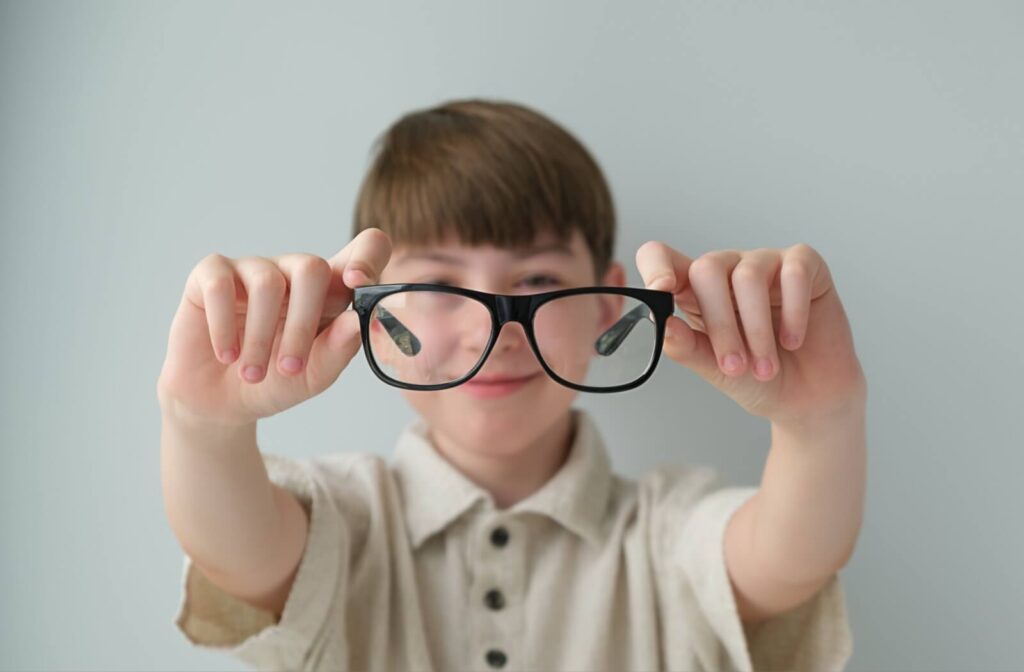
You may notice your child squinting to see the board at school or sitting a little too close to the television. These small actions can sometimes be early clues to nearsightedness, also known as myopia, and it’s a common vision condition that makes distant objects appear blurry while close ones are clear. At The Eye Care Team, we know you may have heard of myopia glasses for kids, and you could be wondering if they’d be a good fit for your family.
Getting your child myopia glasses is 1 method of myopia management, designed to slow the rate of prescription changes and support their long-term eye health. It’s about managing their long-term vision, not just correcting it today.
Spot the Common Signs of Myopia
Behavioral Clues to Watch For
Sometimes, your child’s actions speak louder than words. You know your child better than anyone else, so it’s often parents who notice their child changing their habits to compensate for blurry distance vision. Keep an eye out for these common behaviors:
- Squinting to see distant objects
- Moving closer to the TV or screen
- Holding books or tablets close to the face
Physical Symptoms Your Child May Mention
Your child might also talk about discomfort that can be linked to vision problems. If they complain about their eyes or head hurting, it could be a sign that their eyes are working too hard to focus. A comprehensive children’s eye exam can help identify the reason for their discomfort. Listen for mentions of:
- Frequent headaches, especially after school
- Complaints of blurry signs or whiteboards
- Eye fatigue or rubbing their eyes often
Understand Myopia Progression and Long-Term Health
How Fast Does Myopia Progress in Children?
Myopia happens when the eye grows too long from front to back, which affects how it focuses light. Because of that, myopia often appears during childhood, when the eyes are growing quickly. This progression typically follows a pattern:
- Often develops between ages 6 and 12
- Often progresses quickly in younger children
- Usually stabilizes in the late teens or early 20s, when the eyes stop growing
Why Myopia Control Matters
Managing myopia is about more than just stronger glasses every year. A proactive approach helps protect your child’s eye health as they grow into an adult. The goal of myopia control is to slow its progression and support lasting vision, not reverse the existing effects.
Because myopia happens when the eye grows too long, it can increase the risk later in life of certain eye conditions, like glaucoma or retinal detachment. This is why myopia management is important, as slowing progression may help reduce these future risks.
Your Guide to Myopia Control Glasses and More
Specialized Myopia Glasses
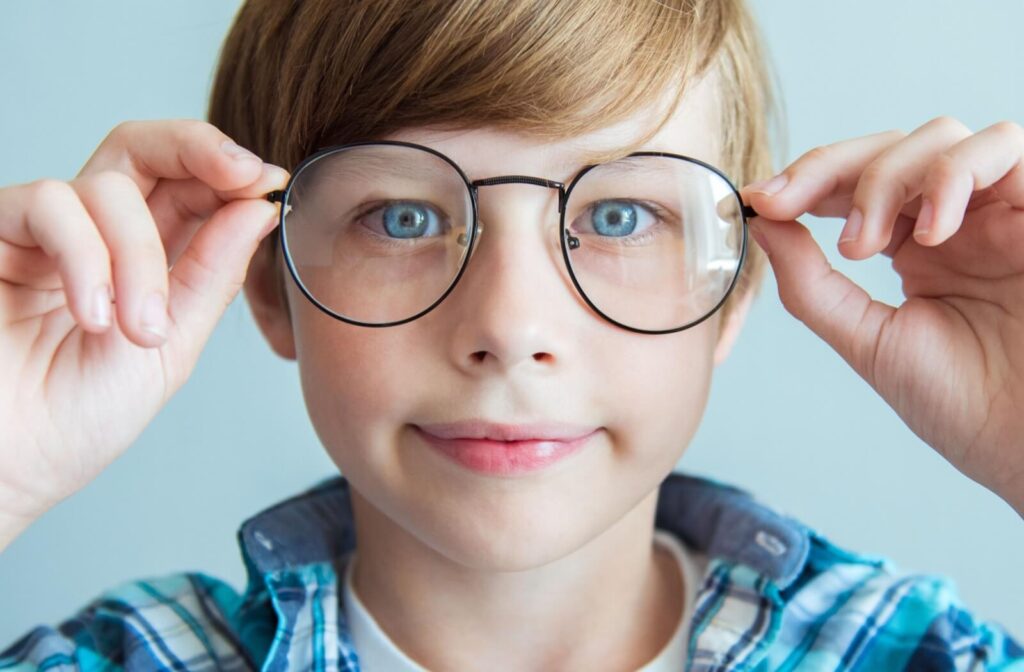
Myopia control glasses look like standard glasses, but they work differently. They correct your child’s blurry distance vision while also using special technology in the lens to send signals that may help slow down the eye’s growth, which is what causes myopia to worsen.
Other Management Options
Glasses are a great option, but they are just 1 of many. Depending on your child’s needs, an eye doctor can discuss a full range of treatments. Other available methods include:
- Specialty soft contact lenses
- Overnight ortho-k lenses
- Low-dose atropine eye drops
The First Visit and Follow-Up Care
How Long Does It Take Them to Adjust?
Like any new pair of glasses, special myopia glasses may require a short adjustment period. It’s important to encourage your child to wear them as instructed by the eye doctor, as consistent use helps their eyes adapt quickly and comfortably to the new way of seeing.
Set Realistic Expectations for a Myopia Plan
A myopia management plan is a partnership with your eye doctor in Spokane. Regular check-ups are important to track your child’s vision and make sure the treatment is working as planned, because even though myopia glasses are a well-established option, small prescription changes can still happen.
Lifestyle Habits to Support Healthy Vision
Promote Healthy Screen and Reading Habits
Simple daily habits can make a big difference in supporting your child’s eye health. Good screen habits and reading practices help reduce eye strain and fatigue, which is helpful for all children, especially those with myopia.
Some good habits for kids (and adults, too) include:
- Keeping screens a comfortable distance from the face (generally 12–16 inches)
- Following the 20-20-20 rule for breaks
- Having good lighting for all close-up work
The Importance of Outdoor Time
Spending time outdoors is a great way to support healthy eyes. Natural sunlight has been associated with healthy eye development and may even help protect against myopia progression.
As a general rule of thumb, try to aim for 1–2 hours outside a day. Don’t forget to wear quality sunglasses to protect your eyes from UV rays.
Schedule a Myopia Consultation
A proactive approach to your child’s vision can set them up for a lifetime of healthy sight. If you have questions about myopia management, The Eye Care Team is here to help you navigate the options. Schedule a consultation with our eye doctor in Spokane and Chewelah to create a personalized plan for your child.